Travel Experiences Community

Share your adventures, discover new destinations, connect with travelers

Bangkok
Guide to Choosing a Neighborhood in Bangkok

Guide to Choosing a Neighborhood in Bangkok Bangkok is a city that divides visitors; the experience is often defined by the neighborhood chosen for accommodation. This guide covers eight areas, rating them as Overrated, Underrated, or Fairly Rated, based on visitor experience, convenience, and local appeal. 1. Lower Sukhumvit (Nana/Asok) Description: This central, moderately priced area is where many first-time visitors accidentally end up. It is Bangkok's downtown district, packed with restaurants, bars, nightlife, and a notable seedy underbelly. While central and exciting, the constant hustlers and scammers can be overwhelming. Convenience: Excellent. Asok connects directly to both the BTS (Skytrain) and MRT (Subway), making transit effortless. Benjakiti Park offers a large green space nearby. Rating: Overrated. Though popular, many local Thai residents avoid this area, and the high number of scams and annoyances detracts from the experience. Recommended Hotels: Ibis, Novotel, and Sofitel. 2. Phrom Phong Description: Located slightly west of Lower Sukhumvit, this neighborhood offers similar access without the chaos. It is more upscale, cleaner, and friendlier, making it popular with locals. Convenience: Still close to major attractions and central transport. Rating: Fairly Rated. It provides the benefits of the central location without the downsides of Nana/Asok. Recommended Hotels: Ibis 24, Holiday Inn, and the Marriott Marquis. 3. Siam Description: The upscale shopping district and arguably the true center of Bangkok. It features malls, markets, cultural spots, and constant events, all connected by easy-to-navigate skywalks. It is bright, clean, comfortable, and family-friendly, making first-time visitors feel instantly safe. Convenience: Links to both lines of the BTS; wide sidewalks make it one of the most walkable parts of the city. Diverse hotels suit any budget. Rating: Underrated. It serves as an excellent, safe introduction to the city. Recommended Hotels: Lub D, Mercure, and Siam Kempinsky. 4. Khao San Description: Asia's infamous backpacker ecosystem. It is a loud, chaotic, fluorescent, and completely unhinged universe. It's unforgettable for young, social travelers, but a mistake for those who value sleep, as music runs late. Vendors and tourist gimmicks (like fried insects) are common. Convenience: Accommodations are budget-friendly, and it's within walking distance of the old city's major tourist attractions. Downside: It is disconnected from the BTS and MRT, and taxi/tuk-tuk scams are frequent. The Chao Phraya River Network (ferry) is the best alternative transport. Rating: Overrated. While worth a visit, staying here can be a mistake due to noise, scams, and isolation from the main transit network. Recommended Hotels: Saran Poshtel, Buddy Lodge, or Rivasurya. 5. Chinatown (Yaowarat) Description: A place of pure sensory overload, especially Yaowarat Road at night. It is a foodie paradise, famous for decades-old dim sum and legendary street stalls. It's one of the oldest and most historic areas, with temples on nearly every corner. Convenience: Connected to both the MRT and the ferry network system. Rating: Fairly Rated. An absolute must-visit destination, though accommodations are less common, and the area can be chaotic. Recommended Accommodations: Asai, Hotel Royal, or Shanghai Mansion. 6. Silom/Sathorn Description: This area represents the version of Bangkok that functions smoothly day-to-day. It is one of the most balanced neighborhoods, featuring a healthier rhythm, wide sidewalks, historical spots, and a vast amount of food options. Lumpini Park is nearby. Convenience: Direct BTS and MRT access. Rating: Underrated. The most balanced neighborhood, providing the full Bangkok experience and quietly turning skeptical visitors into believers. Recommended Hotels: I Residence, Amara, or Banyan Tree. 7. Riverside Description: Everything shifts here; the chaos fades, and the air feels cooler, making it the most peaceful part of Bangkok. It offers stunning river views, rooftop bars, historical temples, and Icon Siam (a major mall). It's a place of slow mornings and scenic pier walks, ideal for couples or those seeking a break from the city's intensity. Convenience: Ferry access, BTS connections, and major attractions are easily accessible via the river network. Features award-winning luxury hotels, including some of the best in the world. Rating: Underrated. Though expensive, it offers a unique, romantic, and peaceful setting. Money-Saving Tip: Crossing the river to Thonburi provides a quaint, peaceful, and calm local environment. Recommended Hotels (Riverside): Four Seasons at Chao Phraya River, Capella, and the Mandarin Oriental. Recommended Hotels (Thonburi): Hop Inn Krung Thonburi or Ibis Riverside. 8. Thong Lor Description: A trendy expat hub characterized by sleek cafes, co-working spaces, rooftop bars, and excellent restaurants. A large Japanese community gives it a "Little Tokyo" vibe. It is extremely livable and popular with expats. Convenience: Directly linked to the BTS. Rating: Overrated. While great for a night out or lunch, it is a little far from the major tourist attractions for newcomers. Recommended Hotels: Playhaus, Grand Center Point, and the Marriott. Bonus: Ari Description: A local district with a quieter, walkable vibe, featuring cafes, tree-lined streets, and coffee shops. It is ideal for a peaceful local experience. Convenience: Plenty of restaurants and shops alongside the nearby BTS, making city exploration easy. Rating: Fairly Rated. Accommodations are still limited. Recommended Accommodations: The Yard Hostel or the Quarter Ari. This covers the most popular areas for tourists. Do you have a budget or a specific type of experience you are looking for in Bangkok?

285
Malcom
Malcom
Pattaya Thailand Travel Guide Essential Tips for Visitors
View Gallery
Pattaya
Pattaya Thailand Travel Guide Essential Tips for Visitors

🇹🇭 Pattaya Thailand Travel Guide: Essential Tips for Visitors Pattaya, a vibrant coastal resort city, is located approximately 150 kilometers south of Bangkok. Known for its beaches and lively atmosphere, the city offers diverse experiences, but travelers should be aware of key logistical and safety points to ensure a smooth trip. 📅 When to Visit: Navigating Pattaya's Seasons Pattaya, like most of Thailand, experiences three distinct seasons, and the best time to visit depends entirely on a traveler's budget, tolerance for heat or rain, and preference for crowds. The three primary seasons are: ☀️ The Cool/High Season (November to February) This is considered the peak tourist season. Weather: Characterized by nearly perfect conditions—sunny days, lower humidity, and cooler temperatures. Traveler Impact: Expect the city to be crowded and generally pricier for accommodation and flights due to the ideal weather. 🔥 The Hot Season (March to May) This period sees a significant rise in temperatures and humidity. Weather: It is hot and dry, which keeps crowds lower. Traveler Impact: The city is typically quieter, with one major exception: Songkran, the traditional Thai New Year (mid-April). This week-long water festival takes over the entire city, making it fun yet chaotic, and causing prices to spike. 🌧️ The Rainy/Low Season (June to October) This is the period of the Southwest Monsoon. Weather: Expect daily heavy downpours or extended showers, though the rain rarely lasts all day. Flooding is common in low-lying areas, especially in September and October. Traveler Impact: This is the low season, making travel cheaper and less crowded. It is ideal for budget-conscious travelers who can tolerate sporadic rain. In summary, the choice of when to visit is a trade-off: For perfect weather, choose the Cool Season (November–February), accepting higher costs and crowds. For lower prices and fewer crowds, choose the Rainy Season (June–October), accepting the risk of daily rain. For an action-packed cultural experience (with chaos and high costs), consider the Songkran period in mid-April. 🏨 Where to Stay: Choosing the Right Area Pattaya is a city of distinct zones, each offering a different pace and experience. North Pattaya: Generally quieter and more family-oriented, featuring a slower pace and higher-end resorts. Ideal for travelers seeking comfort and tranquility. Central Pattaya: The center of action, characterized by noise, crowds, and a concentration of nightlife, restaurants, and malls. Excellent for action, but noise can persist until sunrise—check reviews carefully regarding proximity to bar streets. South Pattaya: A mixed-use area that functions as a middle ground, offering access to the city's energy without being in the center of the chaos. Tip on Accommodations: When booking private condo rentals (e.g., via platforms like Airbnb), use hosts with a high number of recent, positive reviews to mitigate risks of "bait-and-switch" scams. For stable stays with on-site support, consider service apartments or local rental agencies. Avoid low-lying areas during the rainy season due to common flooding. ✈️ Getting to Pattaya from Bangkok Travelers landing at Bangkok's airport can save time by traveling directly to Pattaya. Airport Bus: The most direct and affordable route. Located at Gate 8 on Level 1, the bus costs approximately 140 to 200 Thai Baht and takes about 2 hours. Runs hourly from 7:00 AM to 9:00 PM. City Bus: If already in Bangkok, buses from the Ekkamai or Mo Chit terminals cost a similar amount. Ride-Hailing (Grab/Bolt): Provides greater comfort, with fares generally ranging from 1,200 to 1,400 Thai Baht. Grab is typically safer and more reliable. Bolt is often cheaper but can be less reliable. InDrive allows users to propose a fixed fare, sometimes under 1,000 Thai Baht. Flying: Skipping domestic flights is recommended. U-Tapao airport is nearly an hour from Pattaya, making a direct drive faster and much cheaper once check-in and transfer times are factored in. 💵 Money Matters: ATMs and Currency Exchange Travelers have two main options for accessing cash: ATMs: Convenient but costly. Most foreign card withdrawals incur a 250 Thai Baht fee per transaction. Use machines located inside malls or bank branches to reduce the risk of tampering. Crucial Note: In Thailand, cash is dispensed before the card. Always remember to retrieve your card. Currency Exchange: For the best rates, exchange major currencies in Bangkok at large, established companies (e.g., Super Rich, Oh Rich). In Pattaya, use reputable exchanges like TT Currency Exchange. Requirements: Bring your passport and ensure bills are crisp and unmarked. Always count cash in front of the teller. Warning: Never exchange money with individuals approaching you on the street—this is always a scam. 🛵 Transportation within Pattaya Songthaews (Baht Busses): Shared pickup trucks running fixed routes for a cheap fare (~10 Thai Baht). To stop, ring the bell and pay the driver through the window. Do not ask the driver if they go to a specific location, as they may switch to private taxi mode and charge an inflated fare. Check routes using an app like Google Maps. Ride-Hailing Apps (Grab/Bolt/InDrive): Safer, cheaper, and trackable alternatives to traditional taxis, which often refuse to use the meter. Taxis: Always agree on the total fare upfront as meters are frequently refused. Payment Note: Regardless of the ride type, pay with small bills to avoid short-change scams. ⚠️ Safety and Security Road Safety: Thailand has one of the world's highest road fatality rates. Motorbike rental is only recommended for confident riders with a valid Thai or international license. Fines for riding without a license or helmet can reach 2,000 Thai Baht, and insurance typically voids coverage. Rental Scams: Avoid scams (damaged bike, stolen bike, fake accident) by only using reputable shops with verifiable reviews, and never leave your passport as a deposit (use a photocopy and cash instead). Jet Skis: Highly notorious for hidden damage scams. Only rent from large, legitimate shops with many positive reviews. Theft: Constant risk, especially at night. Do not display expensive valuables (jewelry, watches, phones) on the street or in nightlife zones. Keep money in zipped, deeper pockets. Be cautious of bag snatching, even on motorbike taxis. Scams: Nightlife: Avoid running tabs (pay as you go and check the bill) and shun touts leading you to small, hidden bars (closed-door scam with massive bills). Stick to busy, well-known bars with visible menus. Tours/Activities: Avoid buying tours from street vendors or taxi drivers. Book through trusted platforms (like Klook) or visit attractions independently. Scammers often overcharge for basic tickets or run tours disguised as loops through overpriced shops. Friendly Strangers: Be wary of overly enthusiastic strangers, especially those offering odd stories, asking to see your currency, or claiming to offer miracle cures. Assume an approach is a setup and walk away without engaging. Police and Law: Illegal Items: Vapes and e-cigarettes are illegal in Thailand and can result in hefty fines. Any contact with illegal drugs carries the risk of long prison sentences. Police Interaction: Stay calm and respectful. Always carry a photocopy or digital copy of your passport and visa page. 🏖️ Attractions and Activities Landmarks: Visit the stunning all-wood Sanctuary of Truth, the panoramic viewpoints at Wat Phra Yai, or the iconic Pattaya City sign. Other options include water parks and elephant sanctuaries. Swimming: Pattaya's main shoreline is not ideal due to pollution from runoff and boat traffic. For clean, blue water and better swimming/snorkeling, take the ferry to Koh Larn (45 minutes from Bali Hai Pier). 📞 Emergency Contact Ambulance/Medical Emergency: Dial 1669 i hope this 🙏 helps you.

289
Malcom
Malcom
Bang Bon
What It Really Costs to Live in Thailand

What It Really Costs to Live in Thailand I get this question in my inbox at least 50 times a week: "Bro, how much do I really need to live in Thailand?" And honestly, I get it. There are so many YouTube videos out there claiming you can live like a king on $500 a month. Every time I see one, I just shake my head. I don’t know where these guys are pulling their numbers from. Here’s the truth: I’ve been living here long enough to know what things actually cost—not in some fantasy land where you're living off pad thai and sleeping in a shoebox. So today, I'm breaking down the real numbers—what I spend, what my friends spend, and what you should really expect if you're thinking about making the move. Reality Check: Thailand Can Be Affordable, But It’s Not Magic If you come here with unrealistic expectations, you’ll burn through your savings faster than a tourist at a ping-pong show. Let’s start with my own situation. 💡 My Real-Life Monthly Expenses (in Pattaya) I live in a comfortable one-bedroom condo with an ocean view—not luxury, but solid. Rent: 10,000 THB ($300) – Modern building, ocean view, yearly contract. Motorbike Rental: 2,000 THB ($60) – I rent a Zuma X. Utilities: ~1,750 THB ($52) – Goes up if the AC is blasting. Food: 20,000–30,000 THB ($600–$900) – I eat Western food often and order Grab almost daily. Entertainment & Travel: 20,000 THB ($600) – Not on nightlife; this goes to weekend trips, fuel, rentals, etc. 👉 Total: Around 59,000 THB monthly (~$1,700) Note: This doesn’t include visa fees, healthcare, or subscriptions. Those vary by age, visa type, and coverage preferences. 🧾 Three Realistic Budget Tiers 1. Survival Mode: 40,000–45,000 THB ($1,200–$1,300) The bare minimum to get by. Rent: 8,000–12,000 THB Food: 12,000–18,000 THB Transport: 2,500–3,500 THB Utilities: 1,500–2,500 THB Visa: ~1,000 THB/month Emergency Buffer: 3,000–5,000 THB You’ll be on pad thai and bottled water. One unexpected cost, and you’re in trouble. 2. Comfortable Life: 60,000–75,000 THB ($1,600–$2,200) Where most expats want to be. Rent: 12,000–20,000 THB Food: 20,000–35,000 THB Transport: 3,000–4,000 THB Utilities: 2,000–4,000 THB Gym: 1,500 THB Social life: 8,000–15,000 THB Healthcare: 3,000–5,000 THB Emergency Buffer: 5,000–8,000 THB You’re comfortable. You can eat out, travel, date, and sleep without stressing every transaction. 3. Luxury Lifestyle: 130,000 THB+ ($4,000+) Do what you want, when you want. No compromises. 🌍 Location Matters Where you live changes everything. Pattaya is 20–30% cheaper than Bangkok for rent and food. My 10,000 THB condo would be 15–18k in Bangkok. Phuket is more expensive than Bangkok—expect a “tourist tax.” Islands like Koh Samui can push prices even higher. 🔍 Hidden & Often Ignored Costs • Visas: 1,900 THB every 60 days (~11,500/year) If reduced to 30-day extensions, that’s 23,000 THB/year Education visa = higher upfront but cheaper long-term DTV visa: 10,000 THB for 5 years if you qualify (great for digital nomads) • Western Food Trap: Pizza: 300–400 THB Burger & fries: 250–350 THB Grab delivery fees add up fast Regular Western meals? Budget 20,000–30,000 THB/month on food alone. • A/C and Utilities: Hot season can spike your electricity bill to 4,000–5,000 THB • Healthcare: Doctor visit: 1,200–2,500 THB Private hospital? Expect to pay big—some expats rack up 50,000+ THB bills Local Insurance: 20k–40k THB/year International Insurance: 30k–60k THB/year • Transport: Motorbike rental: 2,000–4,000 THB Grab rides: 60–150 THB per trip → 3,000–5,000 THB/month if used often • Dating & Social Life: Dinner: 800–1,500 THB for two Drinks: 200–300 THB each Movies: 400–600 THB Budget 10,000–15,000 THB/month if you want an active social life. ⚠️ Common Mistakes to Avoid Coming with a shoestring budget – Thailand rewards planning, not hope. Assuming everything is cheap – Imported goods and services can be pricey. Ignoring lifestyle inflation – You won’t want to eat street food forever. Underestimating visa complications and fees – Budget accordingly. ✅ Final Advice: Be Prepared Bring at least 6 months' worth of savings. If your target is a 50,000 THB/month budget, come with 300,000 THB in the bank. For a comfortable life (not luxury), aim for 60,000–80,000 THB/month. Anything below 35,000 THB/month puts you in survival mode—doable, but not fun long-term. Thailand can be amazing. Yes, it’s cheaper than the West. But it’s not the $500 paradise some influencers hype up. Come prepared, plan your budget, and be realistic. Don’t be the guy who runs out of cash and ends up working in a bar to survive. If this helped you get a clearer picture of real life in Thailand, like, and drop your questions in the comments—I read every one. ✌️
391
Malcom
Malcom
New York City
Protecting Your Digital Privacy at International Borders

Protect Your Digital Privacy PHONE/LAPTOP From Police While Traveling Introduction The idea of someone digging through your phone and deciding if you should be allowed to come into a country might seem implausible, but it's exactly what happens when Customs and Border Security searches electronic devices. This includes laptops, cameras, smartphones, external hard drives, and USBs. Crossing an international border is often a stressful experience, which becomes even more so if you are pulled aside for further inspection. Device inspections have become more common in recent years. Many countries, like the US, now ask foreign citizens for their social media identifiers when applying for a visa. While you may feel like you have nothing to hide, you probably don't want a stranger reading through your emails or WhatsApp chats, Instagram searches, or browser history, or browsing your banking apps. But what if you don’t want to forfeit your right to privacy just because you travel? While the law doesn’t make it easy for you, that doesn’t mean you have to make it easy for the border guards, either. This guide will help you understand how to prevent border police from searching your smartphone and other devices. Understanding Device Searches at Borders Inspections that allow airport officers to access all information in your phone may seem inconsistent with the values of a free society. However, your rights when crossing the border are very different from your rights when walking down the street. Border agents have the power to search devices without a warrant. Consequences of Refusal: If you are a citizen of the country you are trying to enter: You will not be denied entry for refusing to let agents search your device. However, your device can be taken, and you can be detained for hours or days. If you are not a citizen of the country you want to enter: You can be denied entry for refusing a device search. In both cases, upon further investigation, you could potentially be arrested. Border officials are responsible for enforcing immigration laws and preventing the entry of criminals. According to policy, there are two levels of searches they can perform. In both cases, you will be asked to unlock the device and provide passwords for different apps if any. Types of Searches: Basic Search/Browsing: This is a simple inspection of your data, including your social media, photos, chats, emails, and other files. This browsing is supposed to be a quick peek rather than a thorough review. Detailed Search: This involves using forensic software to access files, including deleted data, copy data, and analyze it even if your phone is locked. These forensic tools allow taking disk images of the devices, which can later be used to extract information as evidence in court if you are charged with an offense. Agents can also detain your device for a period of time while they extract your data, copy it, or attempt to break your passwords or encryption. (For more information on how police can unlock smartphones without passwords, refer to external resources.) Factors Increasing Likelihood of Device Search You are more likely to be chosen to have your devices searched if: You have suspicious items in your luggage or are missing some travel documents. You have traveled to and from “high risk” destinations. You are a single man or woman traveling alone. You have adult content on your phone or in WhatsApp, etc. You have a law enforcement history in your country. You exhibit nervousness, anger, talking fast, or contradicting yourself. You purchase a ticket to travel at the last minute, within days of departing for the trip. You are hesitant in answering questions or being flagged on a database. Your luggage doesn’t match your travel plans (e.g., coming on vacation but having suits instead of casual wear). You have “unusual” travel routes (e.g., going to Canada from Mexico through France). It was your lucky day, and you were chosen in a random search. When crossing a border, it’s important to first understand your rights. To protect your privacy requires a bit of planning in advance. Protecting Your Privacy at Borders: Practical Steps You can try these steps during your travels to protect your privacy: 1. Leave Your Devices at Home or Work You can leave some devices at home or work or, in some cases, send them separately through the mail. Border agents cannot examine them as part of your entry into the country. 2. Use a Temporary Device Travel with a temporary phone or laptop that can be easily replaced and doesn’t have all your personal data. You can just transfer your SIM card or get a new one at your destination. 3. Move Data from Devices to Cloud You should move information from your device to the cloud and make sure there is no leftover cache remaining on the device. Normally, border officials are allowed to search data that’s on the device. For accessing cloud data, they generally need a warrant. However, they can ask a traveler to voluntarily log in to remote cloud storage. They often try to persuade travelers to consent to searches. Once the traveler consents, it can be harder to challenge the search in court. Sometimes officials achieve so-called “consent” by being vague about whether they are asking or ordering a civilian to do something. You can try to dispel this ambiguity by inquiring whether they are asking you or ordering you to log in. If an agent says it is a request only, you might politely but firmly decline to comply. 4. Disable Fingerprint and Face ID Unlocking Border officials can easily unlock your phone by passing it near your face or using your finger data that they may already have. Switching from biometric locks to PIN codes and strong passwords can significantly secure your data. 5. Encrypt Your Data with Strong Passwords While a screen-lock password or user account password only controls access to the device, the data can still be present on the hard drive in unencrypted form. Forensic tools can easily bypass such passwords and access the unencrypted data. Fortunately, modern devices offer “full-disk” storage encryption features that can encrypt the full contents of the device with a password that will be required when the device is first powered on. iOS devices: Your encryption password is always the same as your regular unlock password, used both to unlock the screen and to decrypt the storage media. Android: You can easily enable full-disk encryption and, to take full advantage of it, you need to also turn on the option to require a password upon boot (also called “secure startup”). Windows: Use BitLocker or VeraCrypt. macOS: Use FileVault. Linux: Use dm-crypt to encrypt the data. A strong password will keep your data safe from even the most experienced forensic analyst on the most powerful computers. (You can also use encrypted phones; refer to external resources for more.) 6. Securely Delete Data from Your Devices Secure deletion ensures that authorities cannot use forensic software to recover files that were deleted. You can securely delete your data before crossing the border. However, if you delete everything, officials may find it suspicious. Windows: Use a Cipher tool. OS X: Use “secure empty trash.” Linux: Options include shred or srm. Phones: Secure deletion is not easy, so full-disk encryption is preferable, or you can try different apps. 7. Uninstall or Log Out of Apps It is better to remove some social media apps from your phone. You can easily re-download these apps later. Alternatively, you can enable self-destructing messages on platforms that offer this feature. 8. Turn Off Your Devices and Enter Airplane Mode Before you go through customs, turn off your devices and make sure none of your accounts or applications are set to automatically log in when activated. Turning off smartphones adds an extra security setting, making it more difficult to access data using forensic software, as you haven't unlocked it once. If your phone is in airplane mode prior to inspection, officials can’t connect it to the internet, as they are generally not allowed to modify the evidence. Officials should also not ask a person to connect their device to the Internet, as for checking cloud data, they need a warrant. Dealing with Border Officials Remember that travelers should stay calm and respectful. When dealing with border officials, remember these three things: Be courteous, do not lie, and do not physically interfere with the agent’s search. If you are forcefully compelled to comply with a border agent’s order to unlock your device or provide your password, you can inform the agent that you are complying under protest and that you do not consent. If you later assert a legal challenge, this may help you defeat the government’s claim that you consented to the search. One tactic that sometimes works for travelers is carrying medical records on their device and objecting that the information is highly confidential in nature, thus needing a warrant. Another approach is to state that the device belongs to your employer and that the agent should speak to their employer’s lawyers. However, you should be well-prepared to answer questions from border agents to justify this request. If border agents did try to search your devices, write down everything you can remember, including their names, badge numbers, and agencies. You can use this information later if you decide to file a complaint or a lawsuit. Remember to change your passwords on your phone and social media in case officials accessed them. There exists a possibility that border agents in authoritarian countries could install spying software on the devices they search. If you suspect that you may be infected with monitoring software, consider destroying the device. Conclusion Dealing with border agents can be a stressful situation. Confronting them over your right to privacy can make it even worse, but that doesn’t mean your right to privacy should be infringed. With proper planning and knowledge of your rights, you can better protect your digital life when crossing international borders.

437
Malcom
Malcom
Istanbul
Discover Turkeys Best Destinations Beyond Istanbul

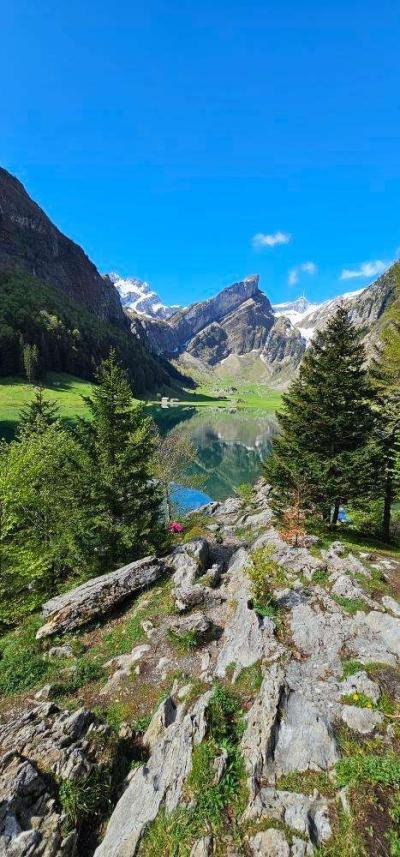
Istanbul is so much more than just shopping and food! Be smart and dedicate part of your trip to discovering the true beauty of Turkey. here is a tourist destinations you absolutely must add to your itinerary to experience dream-like atmospheres. Incredible Day Trips from Istanbul: * Sapanca - Masukiye * A charming lake and waterfalls, with a giant swing and cable car experience amidst nature. * Bursa * Mount Uludağ, the ancient tree, the Grand Bazaar, and Turkey's longest cable car ride. * Princes' Islands * A stunning sea voyage to car-free islands, with a horse-drawn carriage or bicycle tour. * Şile - Ağva * Black Sea beaches, a charming fishing village, and the Göksu River for a boat trip through nature. * Izmit * A peaceful city featuring enchanting lakes and gardens, perfect for escaping the city hustle. * Yalova * Hot sulfur springs, Sudüşen Waterfalls, and lush green gardens surrounding you. * Vialand Theme Park (Istanbul) * Fun adventures for all ages, from thrilling roller coasters to an exciting world of games. * Istanbul Aquarium (Florya) * An underwater journey among sharks and Turkey's longest ocean tunnel! Explore Turkey's Most Beautiful Cities: * Trabzon * Lush green nature, Uzungöl, Sumela Monastery, and Sera Lake. * Cappadocia * The city of hot air balloons, unique rock formations, and incredible underground caves. * Fethiye * Enchanting beaches, Butterfly Valley, and a boat trip on the turquoise sea. * Marmaris * Tranquil beaches, boat tours, and lively markets. * Bodrum * A vibrant city known for nightlife and luxurious resorts, with unparalleled sea views.

388 1
Malcom
Malcom
My experience getting a sim card in Sao Paolo Brazil
View Gallery
São Paulo
My experience getting a sim card in Sao Paolo Brazil

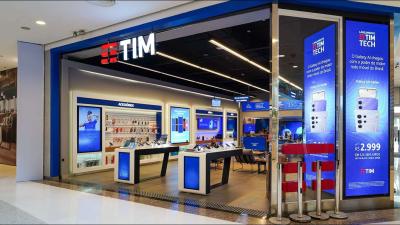
Getting a SIM card in São Paulo, Brazil, turned out to be quite a challenge. I took the metro from Bras to City Mall to purchase a SIM card from Vivo, but when I arrived, the representative informed me that they were just a reseller and couldn’t sell to tourists. He directed me to the main branch at Paulista Loja Mall. I headed back to the metro and made my way there. Upon arrival, I asked a staff member for a SIM card with internet, but she requested my physical passport. I explained that I didn’t have it with me—only pictures of it, as I had been advised not to carry it around to avoid theft. She insisted she couldn’t proceed without the physical passport, even after I explained how far I had traveled to get there. Frustrated, I asked where I could find Claro, another provider, and she politely directed me two floors up. At Claro, the representative told me they don’t sell to tourists and suggested I try TIM, a provider I hadn’t heard of before. I went back to the store facing Vivo, where TIM was located. Thankfully, they accepted the passport pictures on my phone and only required a credit card for payment, likely to verify my identity since my name matched the card. The staff filled out a form on her tablet, took my photo, and processed the plan, which cost around 130 reais (about $21) for 57GB of data. I didn’t inquire much about the details as I was in a hurry and just needed internet to navigate back home using GPS. I paid 120 reais with my credit card and 10 reais in cash—I’m not entirely sure what the extra charge was for, but she mentioned she could charge the full amount to my card if I preferred. Since I had the cash, I opted to avoid a second transaction. The SIM card worked well in the city, though I occasionally lost signal. I’ve heard TIM isn’t the best provider, but I did get 5G coverage. However, I later read Google Maps reviews warning that some customers were automatically charged even after canceling their plans, and customer service was reportedly unhelpful, with some even advising customers to cancel their credit cards to stop the charges. This left me concerned that I might face similar issues when I return to the U.S., potentially needing to dispute charges or get a new card. Despite these concerns, TIM ultimately saved me by providing internet quickly when I needed it most.

515
Ri
Ri
Rio de Janeiro
Why we probably may not go back to Brazil carnival

3 gringas (girls) take on carnival. Why we probably may not go back I can honestly say that Rio/Carnival is an experience I’ve never even remotely got close to experiencing but there were just so many bad things that happened that idk if I would ever return. On day two at Carnival three men ran down the street we were walking on (mind you it was populated) not some random dark alley and it was a street we had to take to get to the parade we were going to walk through and one of my girlfriends had a necklace ripped from her neck and got scratched up and my friend who was using Apple directions was in a tug of war with a different man for her phone, when the guy noticed she prob was not an easy target he ran to another random girl and did the same to her and she started crying and it was a whole big mess. That was pretty scary. Another scary event was quite literally being chased down by police for no other reason than they wanted our phone numbers…. We didn’t do anything wrong they weren’t pulling us over for a ticket etc they were high speed chasing us for our NUMBERS the POLICE. That made me feel so unsafe cause if police are like this then how safe can this place be?? They were also like making kiss faces at us through the window and it was insane just yeah bad experience….. weird. The men are ruthless as well. I’ve traveled a lotttt in my life and have always traveled mainly with women so we are very accustomed to men who are a lilllll more aggressive than what we see back home but HOLY SHTTTTTT the experience here was a whole different beast. I got my wrists grabbed 3 separate times with someone trying to stop me to talk to me and had to rip my wrists away. While sitting in the beach at least hourly my friends and I had to shoo groups of men away. One of my friends pretended to be a lesbian when one guy wouldn’t accept being rejected and wouldn’t stop following us. Almost had to kiss my other friend to “prove it.” A man on a bike fully stoppped biking and started walking to talk to us. The stories could go on. The men made us feel so unsafe and it was a constant issue of being bothered by them and the utter refusal of rejection. I also didn’t enjoy how bathrooms were hard to come by I needed to pay to use the bathroom which was just a bit inconvenient when I didn’t have cash on me at the moment. Overall to summarize I would say the fear of robbery keeping us on edge a lot made the trip worse along with being harassed by men no less than 3/4x an hour and having no faith in law enforcement had an issue occurred. There was other small annoyances like the smell of urine popping up very often and not loving the food or my highly rated hotel having a broken sink and toilet but those are small things that didn’t necessarily take away from the carnival experience like the other things did.

451
Scott
Scott
Istanbul
السكن في إسطنبول أفضل وأسوأ المناطق للإقامة كسائح

السكن في إسطنبول: أفضل وأسوأ المناطق للإقامة كسائح! إذا كنت ناوي تزور إسطنبول، فاختيار مكان الإقامة مش مجرد قرار عادي، بل هو الشيء اللي ممكن يخلي رحلتك خرافية أو يحولها لكابوس! إسطنبول مدينة ضخمة، والتنقل فيها مش دايمًا سهل، فالسكن في المكان الصح مش رفاهية، بل ضرورة! ⚠️ أسوأ المناطق للسياح: ❌ منطقة أكسراي ولالالي: صحيح فيها فنادق بأسعار مغرية، لكنها مليانة نصب واحتيال، بالإضافة لكونها منطقة مزدحمة جدًا ومزعجة بالليل! ❌ بعض أجزاء تقسيم: مش كل تقسيم سيئة، لكن الشوارع الجانبية القريبة من شارع الاستقلال مليانة مراقص وبارات، والجو هناك مش مريح للعائلات! ❌ أسنيورت وأفجلار: مناطق بعيدة عن قلب إسطنبول السياحي، ورح تضيع وقتك كل يوم بالمواصلات. ✅ أفضل المناطق للإقامة: ✨ سلطان أحمد: قلب إسطنبول التاريخي، وقريب من كل المعالم السياحية مثل آيا صوفيا والجامع الأزرق. مناسب جدًا لمحبي الأجواء الهادئة. ✨ شيشلي: منطقة راقية، قريبة من تقسيم، وأسهل لك لو حابب توازن بين الفخامة والقرب من المواصلات. ✨ كراكوي وغلطة: إطلالة خرافية، وأجواء حديثة مع مقاهي ومطاعم راقية، وقريبة جدًا من المعالم المشهورة. ✨ بشكتاش: خيار حيوي، فيه روح إسطنبول الحقيقية، وأسهل مكان للتنقل بين الطرفين الأوروبي والآسيوي. ✔️ نصيحة ذهبية: قبل ما تحجز، تأكد من موقع الفندق على الخريطة، وشوف إذا كان قريب من المترو أو الترام، لأن التنقل بالتاكسي في إسطنبول ممكن يكون أغلى مما تتخيل!
350
Scott
Scott
My experience going through Carrasco International Airport Aeropuerto Internacional de Carrasco Uruguay2
View Gallery
Canelones
My experience going through Carrasco International Airport Aeropuerto Internacional de Carrasco Uruguay2

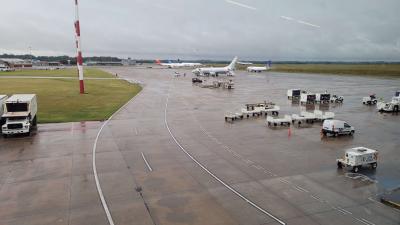
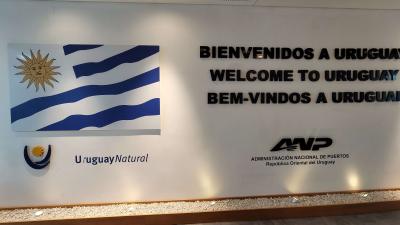
My experience going through Carrasco International Airport Dont take your expensive perfumes or buy expensive perfumes in Uruguay security control will confiscate it. The airport is clean and mid-sized, with a mix of friendly and not-so-friendly people. However, one of the most absurd security rules I’ve ever encountered is their policy on liquids. I understand prohibiting dangerous items like lighters or knives, but confiscating an expensive 150ml perfume and throwing it away claiming 100ml is allowed only? how 50ml going to change things i travled with 320ml in many airport no problem im glag i didnt bring one of my 300ml expensive perfumes, is ridiculous specifically if you only have suitcase no luggage of courseyou need your perfume for travel. No other airport I’ve been to does this. What makes it even more frustrating is that once you pass security, you can buy perfumes of 300ml or more and take them on the plane. So, what’s the point of these nonsensical rules? The security enforces them blindly, without any logical reasoning. Even in the U.S., where security is extremely strict, they don’t enforce such pointless rules. When I tried to explain this to the staff, they responded with, “This is Uruguay.” Are they really proud of such stupidity? I’m sure most Uruguayans aren’t happy with these rules either. Many people have shared similar complaints about the airport, and if you read the 1-star reviews on google maps, you’ll see the same stories repeated. It seems like the authorities don’t care about Uruguay’s international image or the negative experiences of travelers. Frankly, this left me with a bad impression of Uruguay, and I’m less likely to visit again.

422
Malcom
Malcom
How to travel from Buenos Aires Argentina to Colonia de Sacramento Uruguay
View Gallery
Colonia del Sacramento
How to travel from Buenos Aires Argentina to Colonia de Sacramento Uruguay

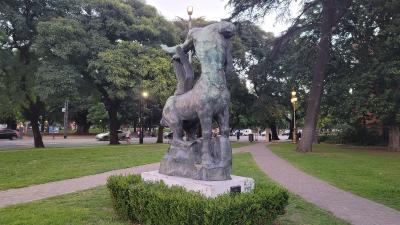
ill explain my experienc traveling from Buenos Aires Argentina to Colonia de Sacramento Uruguay. **1. Booking the Ferry Ticket** I purchased my ticket online via the Colonia Express website for approximately $55 USD, using my Bank of America credit card. **2. Journey to the Ferry Terminal** I took an Uber to the Colonia Express ferry terminal in Buenos Aires. The station was charming and pleasantly uncrowded, making the pre-departure process stress-free. **3. Boarding Process** At the terminal, I easily retrieved my boarding pass from an automated kiosk (see attached image). After a swift and straightforward customs procedure, I boarded the ferry without any delays. **4. Arrival in Colonia del Sacramento** Upon arriving in Colonia, I was surprised to find how simimple and easy to go through customs checks just my suitcasein the scanner and pass. When I inquired with a staff member about immigration procedures, they explained that all formalities were completed in Buenos Aires i was surprised how easy and simple things was what a good experience and first impression about Uruguay. **5. Getting a Local SIM Card** I visited the tourist information center in the airport to ask about purchasing a SIM card. The staff gave me a free Claro SIM, but it required activation, and no Claro representatives were available to assist. I then walked in the city searching for the Claro point of sale to activate it, then i found a Movistar store and purchased a prepaid SIM card It activated immediately, and I paid around $12 USD for the plan, which worked seamlessly. first impression about Colonia its amazing peaceful and beautiful small town with nice people

363
Ri
Ri